
Parallel Run
A migration method where an HVAC shop operates two field-service software systems simultaneously for a defined period — entering live jobs into both — before cutting over fully to the new one. The goal is to catch data gaps and workflow breaks before the old system goes dark.
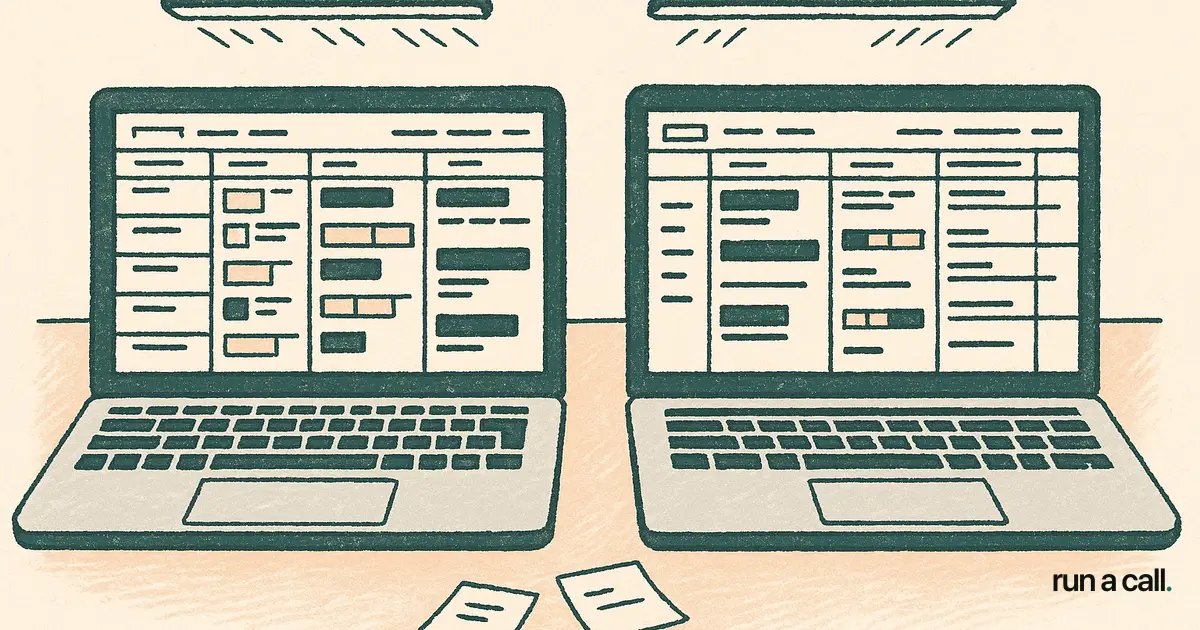
Most software migrations fail at the cutover, not the import. A shop that abandons its old system the day it signs with the new one has no fallback when the pricebook doesn't populate correctly or the dispatch board drops a scheduled install. Running both systems in parallel for two to four weeks — entering every job, every invoice, and every customer note into each — costs extra daily effort but buys a verified safety net.
The parallel run is especially high-stakes when you're leaving a vendor with an early termination fee. If the new system breaks and you haven't fully cut over, you still have a working board. If you've already cancelled the contract and something goes wrong, you're looking at re-activating an account mid-season — a painful and sometimes expensive process.
Operators typically run parallel for dispatch and invoicing first, then layer in the pricebook once they've confirmed pricing tiers transferred correctly. A common tell that the parallel run is working: your callback rate and average ticket numbers match between systems within a rounding error at end of week. If they diverge, something is mis-mapped.
The window matters. Two weeks is the minimum; four weeks gets you through enough job volume to stress-test edge cases like warranty callbacks, multi-day change-outs, and SPP renewals. Shops migrating away from ServiceTitan often extend to six weeks because of that system's deeply nested data structure — customer equipment history, service agreements, and custom pricebook tiers all need individual verification before you can trust the new board.
Frequently asked
How long should a parallel run last for an HVAC shop?
Two to four weeks covers most residential shops with 5–15 techs. If you're migrating a [pricebook](/glossary/pricebook) with flat-rate tiers or good-better-best options, budget four weeks minimum so you can verify pricing on enough job types — tune-ups, change-outs, and repairs — before you shut off the old system.
Does a parallel run affect the early termination fee clock on my old contract?
Yes — and this is where shops get burned. You typically keep paying the old vendor during the parallel window, which means your [early termination fee](/glossary/early-termination-fee) may not reset or reduce until you formally cancel. Pin down the cancellation notice clause before you start the parallel run so you're not paying two monthly fees longer than necessary.
What's the biggest sign a parallel run is going wrong?
Your job counts or revenue totals diverge between the two systems by more than a rounding error. That means a job type isn't mapping correctly, a tech isn't logging in the new system, or a payment isn't posting. Stop and reconcile immediately — don't assume it'll resolve at cutover.